Key takeaways
- CFA training builds practical knowledge of warehouse, inventory, dispatch, documentation and distribution operations.
- Freshers can explore entry-level roles in logistics, warehousing, inventory, dispatch and C&F operations.
- Excel, ERP/WMS, reporting, coordination and practical exposure can strengthen employability.
- Career growth depends on experience, technical ability, communication, problem-solving and responsibility.
Career Starting Point
What comes after completing CFA training?
After finishing a Carrying & Forwarding (C&F) training programme, many learners ask which position they should begin with and whether they can build a professional career in logistics. The answer is yes: CFA training can provide a practical foundation for entering logistics and supply-chain operations.
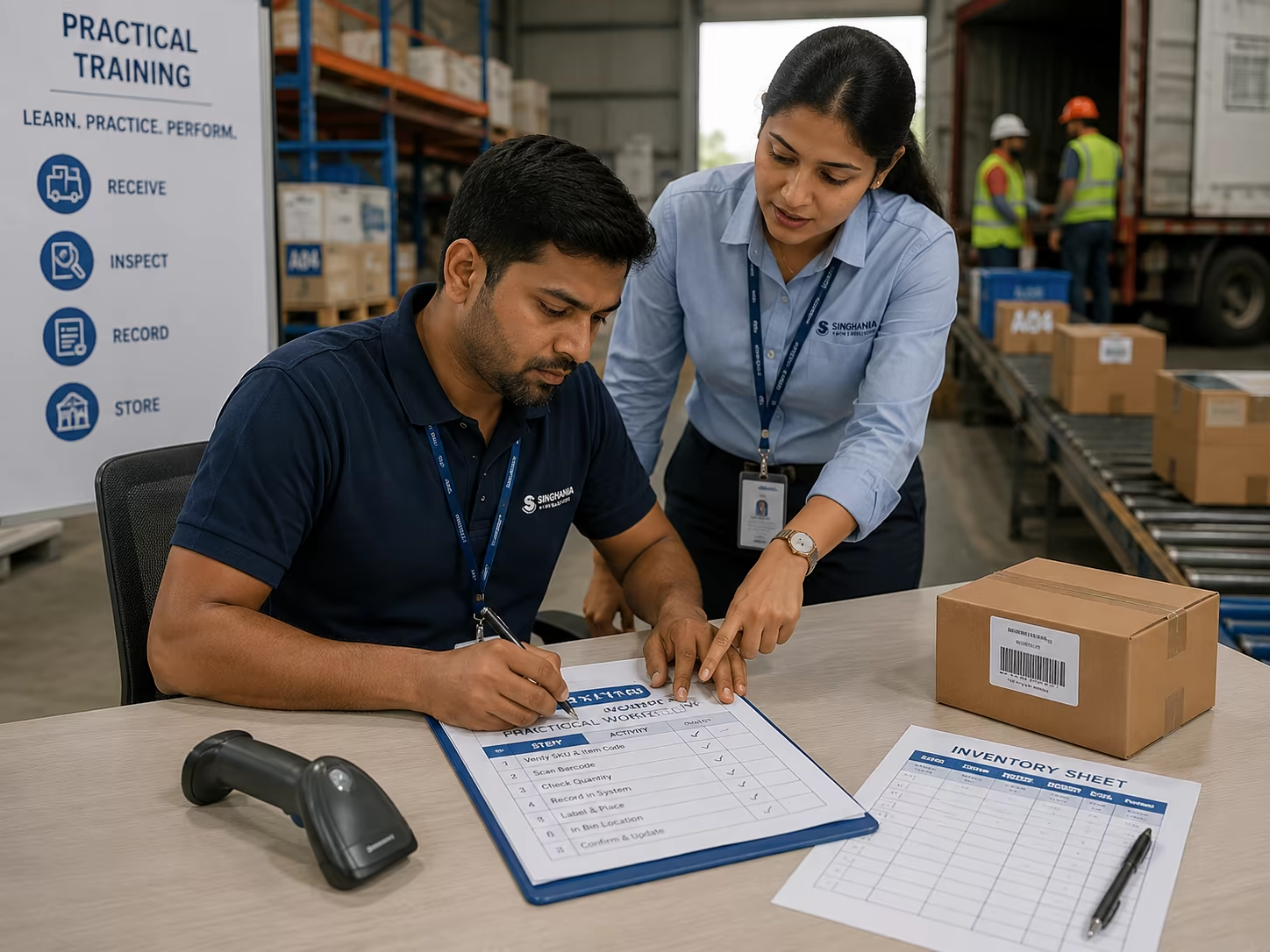
The training develops hands-on understanding of warehousing, inventory management, dispatch, documentation and distribution—important functions within the logistics and supply-chain industry.
For fresh graduates searching for their first logistics role, knowing how to demonstrate and apply these operational skills can be especially valuable.
Operational Foundation
How CFA operations connect with logistics
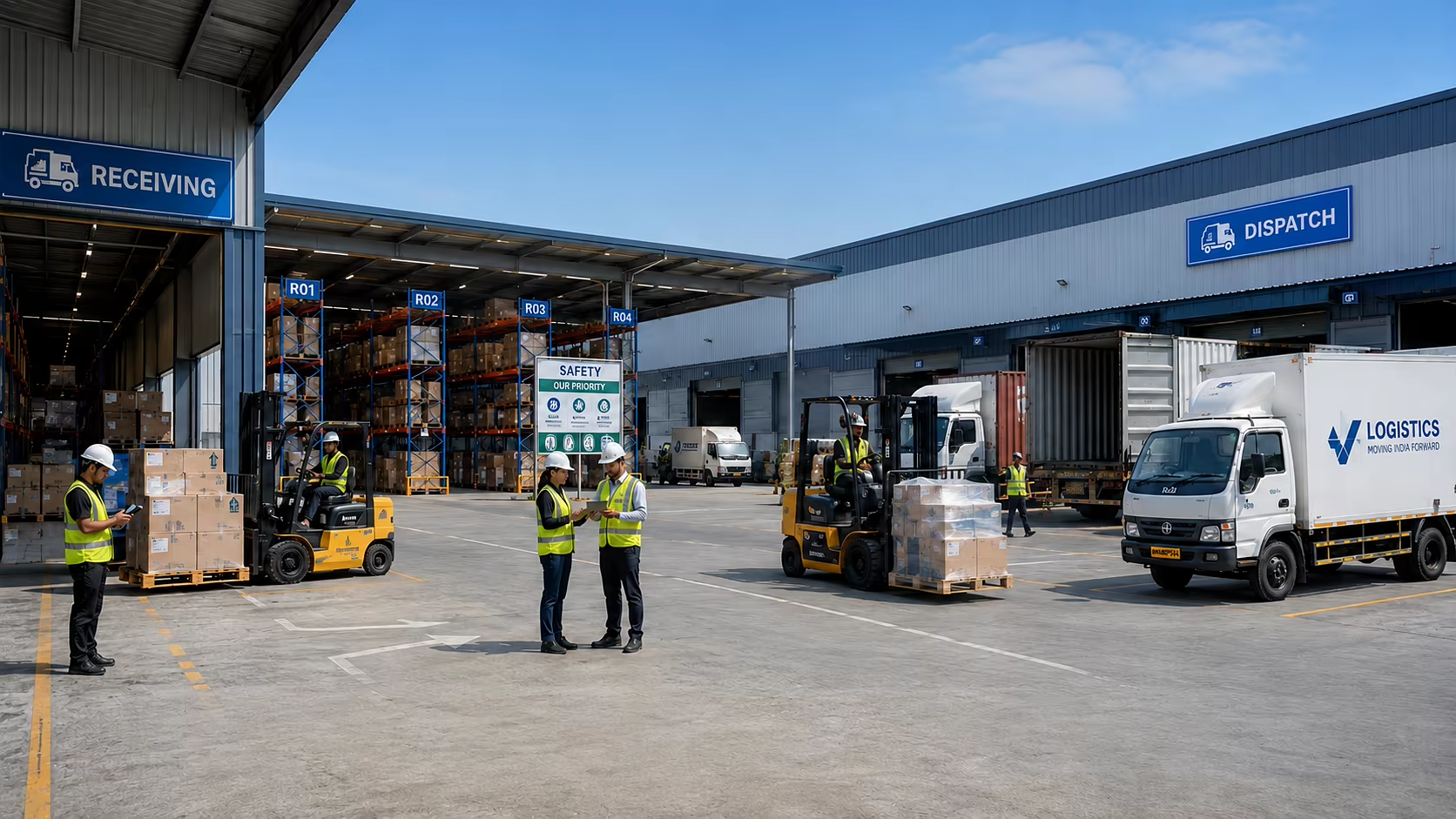
CFA functions are closely connected with the movement and handling of goods. A Carrying & Forwarding Agent commonly works with receiving goods, inventory handling, stock maintenance, order processing, dispatch preparation and distribution coordination.
Typical supply-chain flow
Every stage requires accurate inventory control, documentation, warehouse operations and transport coordination. Understanding this end-to-end flow makes CFA training a relevant starting point for a logistics career.
Job-Ready Capabilities
Practical skills developed through CFA training
Logistics is more than transporting products between locations. It also involves planning, coordination, documentation and accurate record keeping. A practical CFA programme may help learners build knowledge across the following areas.
- 01
Warehouse management
Understand receiving, storage, material handling and dispatch operations.
- 02
Inventory management
Maintain inventory accuracy and track the movement of stock.
- 03
Dispatch planning
Organise orders and prepare them correctly for shipment.
- 04
Documentation
Understand the documents and operational processes used in logistics and C&F work.
- 05
Distribution
Learn how inventory moves from warehouses to distributors and markets.
- 06
ERP and WMS
Become familiar with systems used to manage inventory and warehouse activity.
- 07
Stock reconciliation
Compare physical inventory with system records and analyse differences.
- 08
FIFO and FEFO
Understand inventory-rotation methods used to manage stock efficiently.
- 09
MIS and reporting
Compile operational reports and track important information.
- 10
Coordination
Work effectively with warehouse teams, transporters, distributors and other stakeholders.
Together, these capabilities can help learners explain their practical knowledge more confidently when applying for logistics and C&F roles.
Career Opportunities
Jobs to explore after CFA training
One benefit of CFA training is that its operational knowledge can apply across several functional areas. Actual eligibility and hiring will depend on the learner's qualifications, skills, experience and the employer's requirements.
- 01
Logistics Executive
Supports transport planning, delivery monitoring, documentation and coordination with logistics teams.
- 02
Warehouse Executive
Supports receiving, storage, picking, packaging, material handling and dispatch activities.
- 03
Inventory Executive
Maintains stock records, monitors inventory levels and reconciles physical stock with system data.
- 04
Dispatch Executive
Helps ensure that customer or distributor orders are prepared and dispatched correctly.
- 05
Logistics Coordinator
Coordinates shipping, schedules, paperwork and delivery activities among multiple parties.
- 06
C&F Operations Executive
Supports warehouse facilities, inventory, order processing, documentation and distribution functions.
- 07
Warehouse Supervisor
With relevant experience, supervises warehouse teams and checks that operational processes are followed.
As operational knowledge grows, professionals may also explore wider supply-chain functions such as procurement, inventory planning and distribution planning.
Action Plan
How to prepare for your first logistics job
Learning the skills is one part of career preparation; presenting and applying them effectively is the next. Use a practical, step-by-step approach when pursuing your first role.
- 01
Build a logistics-focused resume
Include your CFA training and relevant knowledge of warehouse operations, inventory management, dispatch, documentation and reporting.
- 02
Highlight practical skills
Do more than state that you completed a CFA programme. Explain what you understand and how those skills relate to the role.
- 03
Apply for entry-level roles
Explore suitable openings such as Logistics Executive, Warehouse Executive, Inventory Executive, Dispatch Executive and C&F Operations Executive.
- 04
Look for practical exposure
Seek opportunities to understand actual warehouse, distribution and C&F processes.
- 05
Improve Excel, ERP/WMS and reporting skills
Technology and accurate reporting are important in logistics; stronger system skills can improve workplace efficiency.
- 06
Gain practical experience
Treat the first position as a learning stage. Focus on process discipline, accountability and how logistics functions depend on one another.
- 07
Move towards supervisory roles
As experience and operational ability grow, begin preparing for senior executive, supervisory and leadership responsibilities.
Industry Options
Industries that need CFA and logistics professionals
Nearly every product-based business requires some form of storage, inventory handling, movement and distribution. This allows CFA and logistics professionals to explore opportunities across multiple industries.
- FMCG
- Pharmaceuticals
- Food and beverage
- Electronics
- Manufacturing
- Retail
- E-commerce
- Warehousing
- Logistics service providers
- Distribution companies
For example, pharmaceutical and FMCG businesses require efficient storage and distribution, creating a need for people who understand inventory, warehouse and distribution operations.
Long-Term Development
A possible career-growth path in logistics
A logistics career can develop as a professional gains experience and accepts greater responsibility. A possible progression may look like this.
Typical supply-chain flow
Progress is not automatic and will depend on practical experience, technical skill, communication, problem-solving and the level of responsibility handled. Instead of focusing only on the title of a first job, learners should build the ability to manage larger teams, processes and systems.
For New Entrants
Is CFA training useful for freshers?
CFA training can provide a useful foundation for freshers who want to enter warehousing, distribution, C&F and logistics operations. Although a fresher may not yet have extensive industry experience, structured training can help build familiarity with logistics processes and terminology.
To make that foundation useful, combine training with demonstrable skills, a relevant resume and a willingness to learn from real operational responsibilities.
Common questions
Frequently asked questions about CFA training
What can I do after completing CFA training?
You may explore entry-level opportunities in logistics, warehousing, inventory, dispatch, distribution and C&F operations, subject to your qualifications, skills and employer requirements.
Is CFA training related to logistics?
Yes. Carrying and forwarding training covers operational areas such as warehousing, inventory, dispatch, documentation and distribution, all of which connect directly with logistics.
Which job roles can I explore after CFA training?
Possible roles include Logistics Executive, Warehouse Executive, Inventory Executive, Dispatch Executive, Logistics Coordinator and C&F Operations Executive.
Is CFA training suitable for freshers?
Yes. It can help freshers develop foundational knowledge for entry-level work in warehouse, C&F and logistics operations.
What is the career scope in logistics?
Logistics includes opportunities across warehousing, transport, inventory, distribution, dispatch, C&F operations and broader supply-chain functions.
How can I get my first job after CFA training?
Build a logistics-focused resume, demonstrate practical skills, apply for suitable entry-level roles and seek real exposure in warehouse, C&F or logistics operations.
Which skills are important for a logistics career?
Useful skills include inventory management, warehousing, documentation, dispatch planning, Excel, ERP/WMS, reporting and team coordination.
What does a C&F professional do?
A C&F professional helps coordinate the receiving, storage, handling, order processing and dispatch of goods as part of distribution operations.
Conclusion
Build your logistics career one practical step at a time
CFA training can be a strong starting point for people interested in operational careers across warehouses, inventory, distribution and C&F services. It creates an opportunity to apply classroom knowledge to practical processes.
When planning your career after CFA training, focus on learning the process, strengthening relevant skills and growing through experience. With consistent development and greater responsibility, an entry-level role can become the foundation for future supervisory and managerial opportunities.
Continue learning
Explore CFA Operations & Management
Build structured operational understanding through guided modules, practical activities, assessments and instructor support.